The next day we arrived in Takayama, along with many other visitors. Takayama is best known for its Spring and Autumn festivals, which are thought to be among the top festivals in all of Japan. As such, we couldn't find a cheap hotel with any vacancies, so we decided to splurge and went for a pretty nice ryokan (traditional Japanese inn) that was not entirely booked.
On the way to the ryokan it started to snow! The sun was also shining, and being the California girl that I am, I didn't recognize it. I thought the snowflakes were sakura petals, until Erik pointed out that it was snow.
As we were looking for the ryokan, a very nice lady asked us what we were looking for, after which she escorted us all the way there, several blocks away. Another person going out of their way to help us without even being asked. We ended up running into her again later, at which point she made recomendations as to where to go to see things in town.
Takayama is pretty much the perfect town for a festival. It has many, many streets like this that are just made for walking:

The main attraction in the festival is the huge and very intricately decorated "yatai" or floats. There are different ones used for the spring and fall festivals (you can see the floral spring theme on most of the ones that we caught on camera).

3 of the floats have marionnettes on them, and they put on a marionnette show twice a day for each day of the festival. The show is along the tradition of Noh plays, which are REALLY REALLY slow paced. So yeah, watch the video below with a dose of patience please :).
Here's a closer shot of that puppet.

This was my favorite one. After dancing about for a while and being all feminine and stuff, she turns around and a dragon comes out of her butt and dances all crazy. No joke. But you can laugh anyway because it is awesome. I'm sad we didn't catch that one on video.

This one was excrutiating. The music repeated about 40 times before anything happened... ahh Noh theater...

While we were in Takayama, we also checked out Takayama Jinja, the regional government office from olden times (I'm not knowledgeable enough at history to tell you when...but I'm pretty sure current government officials work in a building with insulation...). Very pretty though...

Yay, fellow tourists...

This was really cool. Here you see the donjon... prisoners were brought in in the basket in the top right corner. Everyone in the village could see the prisoner's face as he was brought into prison, which was part of the punishment. They also had torture instruments on display. The prisoner was forced to sit on his feet (shins face down), Japanese style on that ridged platform on the left, and then those heavy slabs of rock on the right were placed on top of his thighs...

... kind of like this...

We then returned to our hotel to check in and have our ultra-posh dinner. Me looking cold and our neat room:

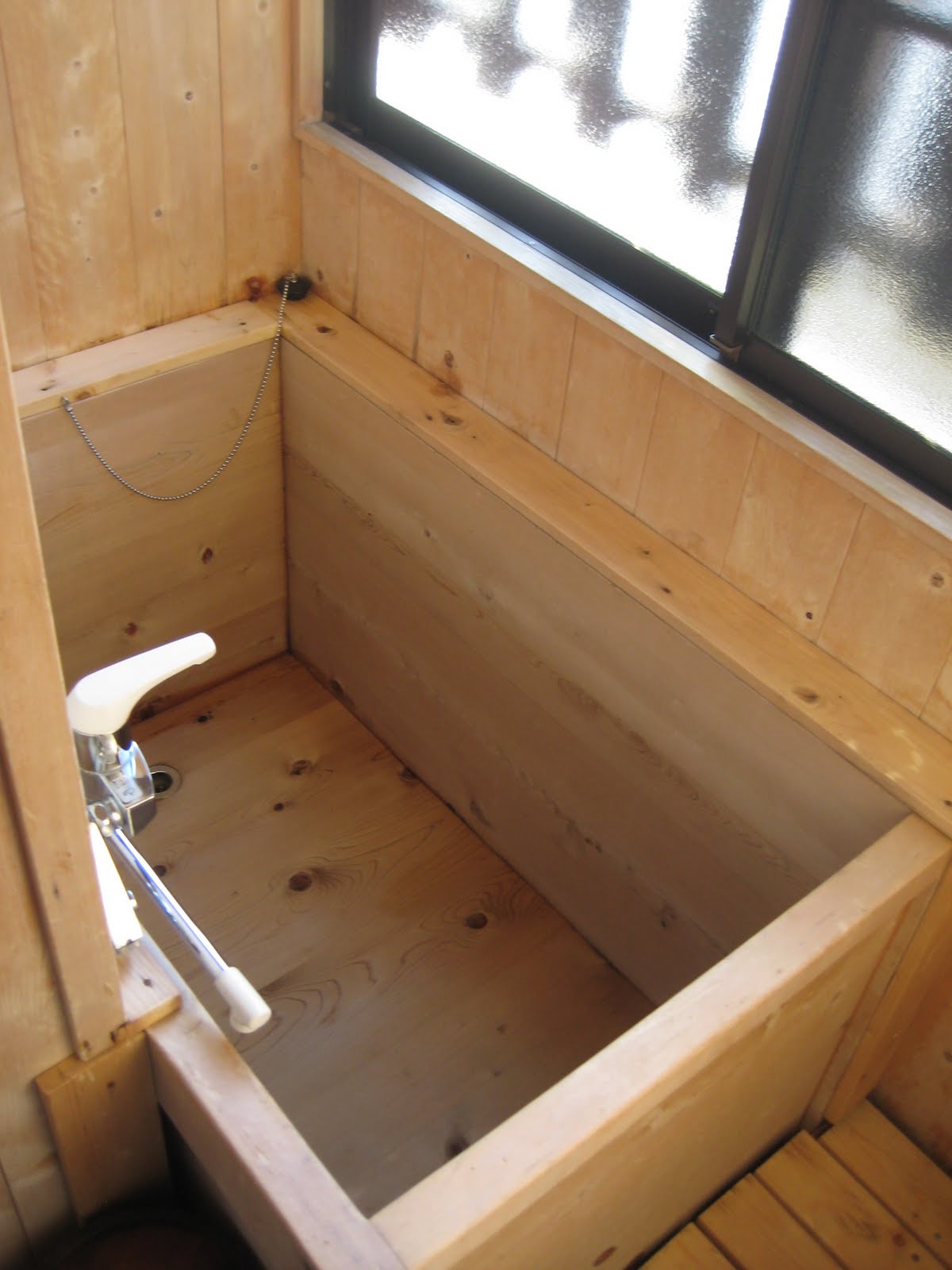
It had a pretty cool outdoor bath too... which would have been enjoyable had it not been cold enough to snow... so we used the public (indoor) bath instead.


Oh, and in a ryokan, when you enter the bathroom, you need to remove your house slippers and put on the bathroom slippers. The idea is to prevent bathroom contamination from getting around the rest of the house, especially the tatami where you sleep. (I suppose this is more of an issue with the traditional Japanese "squatter" toilets, which are essentially a hole in the ground). Anyway, this place had pretty ridiculously cute toilet slippers:

I want.

Promptly at 5pm our ryokan attendant guy brought our dinner into the room. And explained what every single dish was.

These were the appetizers. From top left and moving clockwise: Hida beef sushi, mountain vegetables (they tasted like yummy flowers), whole little fish - seemingly part dried part grilled, bamboo shoot cooked in miso, some green paste stuff, and a puff pastry with cheese inside (super yum).

This was potentially the best beef I've ever tasted. They brought in a little tabletop skillet thing, with mushroom, some other vegetables and HIDA BEEF. Seriously, I've had Kobe beef, and Hida beef (at least prepared this way) might be even better. And before you scoff, while seafood does have a huge part in Japanese cuisine, some regions are particularly well reknown for their beef raising expertise. Hida, being a mountainous region and relatively far from the sea, is one of those.

Hida beef. Just do it.
These guys are, from left to right:
Tofu in a peanut oil sauce with wasabi on top (had kind of the consistency of a flan, with a taste of peanut butter... sooo good). The middle is an assortment of vegetables, a tofu with peppercorns in it, and fishcake (that little flower looking thing is a fishcake). Pretty, no? The one on the far right is an egg savory custard with mushroom.

This was the sashimi plate. The presentation was very pretty. Sadly, neither Erik nor I much enjoyed the shrimp or the mollusk in the back there (I wasn't even going to try... bad mollusk experiences in my past...) but the fish was pretty good. Oh and that green stuff? Real wasabi. I can't say I'm enough of a food snob to tell much of a difference, except that it is a bit more potent, and has a MUCH different consistency. The consistency is less of a clay-like consistency, and more like an actual finely grated vegetable. In the far left corner you can kind of see the Crab au Gratin poking its head in. Again, I'm not on the best terms with crab, but Erik seemed to enjoy his.

Not pictured here: amazing tempura and less-than-amazing octopus. (I'm sure it was good octopus, I just really don't like octopus. Erik was brave and gave it a shot, but after about 15 minutes of chewing had to just give up). They also gave us miso soup and special festival rice that is colored red using red beans. Finally, dessert was coffee-flavored jello. As neither Erik nor I drink coffee, but didn't want them to see our untouched dessert, we dug little holes in the remainder of our egg custard and buried our coffee jelly inside. We're regular masterminds, Erik and I.
Oh, and as an aside, this was the phone in our room... Curious about that music button there? So was I. Turns out its only function is to play none other than "It's a Small World." (Note to Shiovitz family: remember Andrew's alarm clock when he was little that played 3 different songs? This sounded exactly like that.)

When we were done with dinner, two women came in and quickly transformed our room from a dining area to a sleeping area. Like, the dining table still had a partially full glass of Coke on it, and these ladies picked it up and moved it to the other side of the room in about 5 seconds without spilling a single drop. The whole process took probably about 2 minutes. Friggin amazing.

After dinner Erik convinced me to go back out into the cold to see the evening festival, which was neat. They put about 100 lanterns on each yatai, and take them on a procession throughout town. Children sit up on the float and play flutes and drums while the men pull the things throughout town. It's pretty mystical with the music and all. It seems like there could be little Japanese spirits flying through the air.